
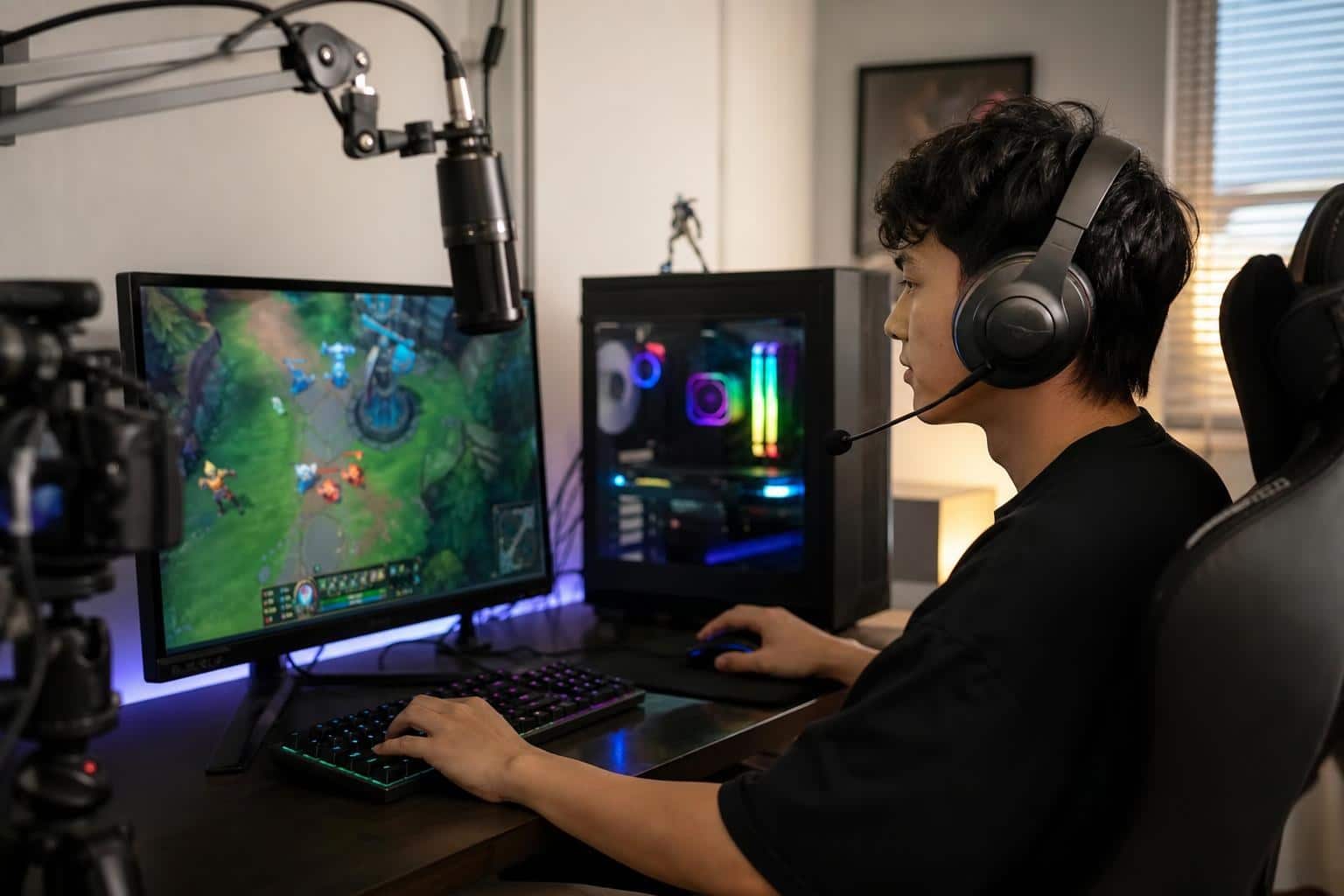
Picture two streamers with the same skill level, the same game, and the same three-hour weeknight schedule. Twelve months later, one has a loyal Discord of 4,000 people who show up for every stream. The other is still talking to an empty chat. The difference usually isn’t talent. It’s how well each one built an internet presence and kept people coming back.
That gap is where AI has started to matter in gaming. Indie studios, esports orgs, and solo creators can now handle work that once needed a full marketing team: visual branding, moderation, personalized messaging, and spotting which players are about to quit. Used carelessly, these tools produce bland content and robotic replies that drive fans away. Used well, they free you to do the human work that builds real client engagement.
What follows is a practical look at where these tools help, where they fall short, and how to fit them into a growth plan without losing the personality that made people care in the first place.
The Evolution of Digital Presence in the Modern Gaming Era
A decade ago, a gaming presence meant a website, a Twitter account, and maybe a forum. Studios announced things, fans reacted, and the conversation mostly flowed one direction. That model is gone.
Today, a game or creator lives across Twitch, YouTube, TikTok, Discord, Reddit, Steam reviews, and whatever platform rises next. Fans expect to talk back, and they expect answers. A bug report posted at 2 a.m. on Discord that goes unacknowledged until Monday can turn into a Reddit thread with hundreds of upvotes by Sunday.
Three shifts define the current era:
- Communities replaced audiences. People don’t just watch; they participate, create fan art, run wikis, and organize events.
- Volume exploded. A mid-sized studio might receive thousands of messages across platforms every week, far more than any small team can read.
- Speed became a trust signal. Fast, relevant responses now shape reputation as much as the product itself.
This is the pressure AI tools respond to. They don’t replace community instinct, but they make it possible to keep up with a scale that would otherwise bury small teams. The smartest operators treat AI as infrastructure, the plumbing that lets human attention go where it counts.
Generative AI for Building a Distinct Gaming Brand Identity
Generative AI is great at producing options and terrible at producing taste. That distinction should shape how you use it for gaming brand identity.
Where it earns its keep is early exploration. An indie developer can generate fifty logo directions, a dozen color palettes, and multiple mascot sketches in an afternoon, then hand the strongest three to a designer for refinement. Writers use language models to draft lore snippets, patch note voice variations, or social post formats, then rewrite them in their own style.
The trap is publishing raw output. AI-generated key art often carries a recognizable sameness: overly smooth lighting, generic fantasy armor, faces that look slightly off. Gamers spot it quickly, and many react badly, especially when artists in the community feel replaced. Several studios have faced public backlash over undisclosed AI art in promotional material.
A workable approach looks like this:
- Define your brand voice in plain language first (e.g., “dry humor, never mean, nerdy references welcome”).
- Use AI to generate drafts and variations against that brief.
- Have a human make every final call and polish every published asset.
- Be upfront about AI use where your audience cares about it.
Your identity should come from decisions you make, not from what a model defaults to.
Automated Community Management for Streamers and Creators
Once a channel passes a few hundred concurrent viewers, chat becomes impossible to manage alone. Automated community management for streamers fills that gap, handling the repetitive work so creators can focus on the content and the people.
Intelligent Moderation and Sentiment Analysis
Old-school moderation bots relied on banned-word lists, which trolls bypassed with creative spelling in minutes. Modern AI moderation reads context. It can tell the difference between a friendly “you’re trash at this lol” from a regular and a targeted harassment campaign from accounts created an hour ago.
Sentiment analysis adds another layer. Instead of reading every message, you can watch a live mood indicator and catch problems early, like a sudden spike in negativity after a sponsor segment or a balance change announcement. Studios apply the same idea to Discord servers and Steam reviews, flagging shifts in tone before they become full-blown controversies.
Keep human moderators in the loop for appeals and edge cases. AI gets sarcasm and in-jokes wrong more often than vendors admit, and a wrongful ban of a longtime community member costs more goodwill than ten trolls.
AI Chatbots for Real-Time Viewer Interaction
The best chat bots answer the questions you’re sick of hearing: “What’s your sensitivity?” “When’s the next stream?” “What PC specs?” Newer AI-powered bots can pull from a knowledge base you write, so answers stay accurate and on-brand.
Some creators go further, running bots that track loyalty points, run trivia during queue times, or summarize what happened for viewers who just joined. That last feature is underrated: a quick “here’s what you missed” keeps newcomers from feeling lost and leaving.
One rule worth following: never let a bot pretend to be you. Viewers forgive automation; they don’t forgive deception.
Personalized Fan Experiences Through Artificial Intelligence
Generic marketing treats every fan the same. Personalized fan experiences using artificial intelligence treat a competitive ranked grinder differently from a casual player who logs in on weekends to decorate their base.
In practice, personalization shows up in small but noticeable ways. A newsletter that highlights the new ranked season to one player and the new cosmetic housing set to another. A Discord welcome flow that asks a couple of questions and routes newcomers to channels matching their interests. Store recommendations based on play history rather than whatever is on sale.
Creators can apply the same thinking. AI tools can analyze which clips a given segment of your audience watches most, then help you decide whether that crowd wants more tutorials, more highlights, or more chill talk streams. Some platforms let you send tailored notifications so viewers who love a particular game get pinged when you play it.
The line to watch is creepiness. Personalization feels helpful when it’s clearly based on what someone chose to share or do in your community. It feels invasive when it hints at data they didn’t realize you had. Be transparent about what you collect, give people easy opt-outs, and follow the privacy rules that apply in your players’ regions.
AI-Driven Player Retention Strategies for Long-Term Growth
Acquiring a new player usually costs far more than keeping an existing one. That’s why AI-driven player retention strategies have become a priority for studios of every size, and increasingly for creators managing subscriber bases too.
Predictive Analytics for Reducing Churn
Churn rarely happens suddenly. Players drift: sessions get shorter, logins get less frequent, they stop opening event rewards, they leave their guild. Predictive models spot these patterns across thousands of players and flag the ones likely to quit within the next few weeks.
What you do with that signal matters most. Useful interventions include:
- A well-timed comeback reward for players whose activity is dropping, before they’re gone.
- Matchmaking adjustments for players on long losing streaks, a common quit trigger.
- Outreach about content they haven’t tried, like a game mode matching their past preferences.
Small studios without data science teams can still start here. Many analytics platforms now include churn prediction out of the box, and even a basic dashboard tracking session frequency will reveal more than gut feeling.
Dynamic Content Tailoring for Active Users
Retention also means keeping engaged players interested. AI can adjust what each player sees: difficulty tuning, daily challenge selection, event offers, and even the order of tutorial tips.
A player who has mastered combat might get harder bounties, while one who prefers exploration gets map-based challenges. Done well, players simply feel the game “gets” them. Done badly, it feels manipulative, especially if tailoring pushes aggressive monetization. Tune for fun first; revenue tends to follow players who enjoy themselves.
Future-Proofing Your Gaming Presence with Emerging AI Tech
The next wave is already visible. AI-powered NPCs that hold unscripted conversations, voice tools that let creators localize streams into multiple languages, real-time highlight generation that cuts TikTok-ready clips the moment something great happens, and agents that manage cross-platform posting with minimal input. Some will stick. Others will fade after a year of hype.
To stay ahead without chasing every shiny release:
- Own your community channels. Platforms change algorithms constantly; a Discord server or email list is yours.
- Test small, then commit. Run new tools on one stream or one campaign before rolling them out everywhere.
- Document your brand voice. Clear guidelines make every future AI tool more useful, because you can feed them the same brief.
- Watch regulation. Rules around AI disclosure, data use, and minors in gaming are tightening in multiple regions.
Pulling it together: AI handles the scale problem that makes modern gaming presence so exhausting. It drafts brand concepts, moderates chat, answers routine questions, personalizes outreach, and predicts who’s drifting away. What it can’t do is care about your community, and players can tell the difference between a creator who uses tools and one who hides behind them.
Start with your biggest time sink this month, whether that’s moderation, repetitive questions, or player churn, and test one tool against it for thirty days. Measure the time saved and how your community responds. Then reinvest those hours into the conversations, streams, and decisions only you can make. That’s where lasting engagement gets built.
Leave a Reply